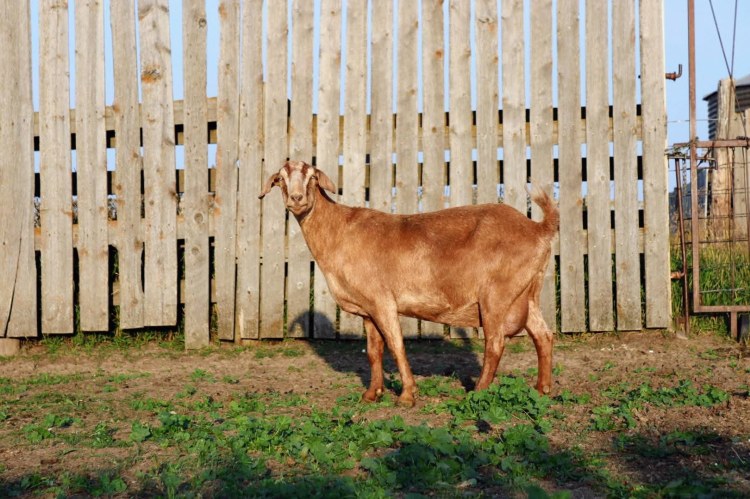
At Bingham Goats & Grain, our animals are raised under strict biosecurity and herd management protocols. We value transparency and work hard to ensure buyers receive healthy, well-cared-for goats. This page contains information outlines our Herd Health Program and the Animal husbandry practices that our Goats recieve.
Vaccinations & Disease Testing
Vaccinations
- Kids: 6 weeks old, with booster 4 weeks later
- Adults: Annual booster in spring (April–May)
Fecal Testing:
- Quarterly testing (2x/year) for parasite monitoring
- Targeted deworming based on fecal egg counts
- Annual lab testing for:
- Johne’s Disease
- CAE (Caprine Arthritis Encephalitis)
- CL (Caseous Lymphadenitis) if any abscesses are observed
- If any results were to come back positive , please see the following
Bingham Goats & Grain Ltd.
Policy on Handling Positive Results for Johne’s Disease, CAE, and CL
Bingham Goats & Grain Ltd.
Policy on Handling Positive Results for Johne’s Disease, CAE, and CL
Effective Date: May 2025 – No Positive Test Results to Date – All Healthy here !
1. Positive Johne’s Disease Results
Purpose: To ensure a proactive and responsible approach to managing Johne’s Disease within the herd, safeguarding the health of the animals, and maintaining biosecurity standards.
Policy Statement:
In the event of a positive Johne’s Disease test result, Bingham Goats & Grain Ltd. will take immediate action to manage the infection, prevent transmission to other animals, and minimize the risk of spread within the herd and beyond.
Procedures:
- Immediate Isolation and Quarantine:
- Any animal testing positive for Johne’s Disease will be immediately isolated from the rest of the herd to prevent the spread of the bacteria.
- The animal will be quarantined for further observation and veterinary assessment.
- Confirmatory Testing:
- A second confirmatory test will be performed (fecal PCR and blood ELISA) to verify the accuracy of the initial test result.
- Management of Infected Animals:
- Culling: A positive result would result in the animal being humanely culled.
- Environmental and Herd Management:
- A comprehensive cleaning and disinfecting protocol will be followed for all pens, equipment, and feeding areas that may have been exposed to the infected animal.
- All other herd members will undergo fecal testing for Johne’s Disease, and those found negative will be retested on an annual basis.
- New animals entering the farm will be tested for Johne’s Disease, and quarantine procedures will be strictly followed.
- Prevention:
- No colostrum or milk from infected animals will be used to feed other goats, and pasteurization of all milk and colostrum will be enforced.
- Manure and waste will be managed to prevent contamination of feed and water sources.
2. Positive CAE (Caprine Arthritis Encephalitis) Results
Purpose: To responsibly manage and mitigate the spread of CAE and protect the herd’s health, including implementing appropriate biosecurity measures for both positive and potential future cases.
Policy Statement:
In the event of a positive CAE result, Bingham Goats & Grain Ltd. will take immediate steps to manage the disease in a way that minimizes harm to the infected animals, prevents spread to the herd, and ensures that breeding and milk production are unaffected by CAE transmission.
Procedures:
- Immediate Isolation and Quarantine:
- Any animal testing positive for CAE will be immediately isolated from the rest of the herd.
- The animal will be re-tested if clinical symptoms of CAE are present, and treatment options will be discussed with a veterinarian.
- Confirmatory Testing:
- A second test will be conducted to confirm the diagnosis of CAE, using both ELISA blood tests and PCR-based tests.
- Management of Infected Animals:
- Culling: If the animal exhibits clinical symptoms of CAE (e.g., lameness, arthritis, neurological signs), it will be culled humanely.
- Lifetime Isolation: If the animal shows no clinical symptoms, it will be isolated for the duration of its life. It will not be bred, nor will it be used for milk production or nursing of kids.
- Milk and Colostrum Management:
- Milk from positive CAE animals will not be fed to kids under any circumstances.
- Prevention and Monitoring:
- Regular annual testing will be conducted for CAE, especially for new arrivals or any animals with suspect clinical signs.
- New animals will be quarantined for 30 days and tested for CAE before they are introduced into the herd.
- Preventative measures such as maintaining strict sanitation practices and ensuring no cross-contamination between positive and negative animals will be enforced.
3. Positive CL (Caseous Lymphadenitis) Results
Purpose: To ensure quick identification, isolation, and treatment of any goats with CL while minimizing the spread of infection to the rest of the herd and maintaining biosecurity.
Policy Statement:
In the event of a positive CL result, Bingham Goats & Grain Ltd. will implement a strict management plan to prevent the spread of CL within the herd, with a focus on isolation, early treatment, and culling when necessary.
Procedures:
- Immediate Isolation:
- Any animal exhibiting abscesses or testing positive for CL will be immediately isolated from the rest of the herd.
- The abscesses will be cultured and tested for CL, and all animals that have had contact with the infected animal will be inspected for signs of infection.
- Confirmatory Testing:
- Abscess samples will be cultured to confirm the presence of Corynebacterium pseudotuberculosis, the bacteria responsible for CL.
- Management of Infected Animals:
- Lancing and Draining: Abscesses may be lanced and drained under appropriate sanitary conditions. All drainage equipment will be disinfected immediately after use.
- Culling: If the animal has multiple or hard-to-treat abscesses, it will be culled humanely to prevent further spread of the infection.
- Lifetime Isolation: If draining is effective and the animal shows no further signs of infection, it will remain in lifetime isolation and will not be bred or sold.
- Prevention and Biosecurity:
- Any new animals will be tested for CL before introduction into the herd and placed into 30-day quarantine.
- Routine inspections of the herd will be conducted to identify any signs of CL, especially in areas where abscesses are likely to form (neck, jaw, armpits).
- Disinfection protocols will be followed for all tools, equipment, and surfaces that may have come into contact with infected animals or their secretions.
- Recordkeeping:
- Detailed records will be kept for all positive test results, treatments, and culling decisions, ensuring proper traceability and accountability for each animal.
4. General Biosecurity and Herd Management Policies
- Biosecurity Protocols for All Diseases:
- Incoming animals will undergo strict quarantine procedures for 30 days and will be tested for Johne’s, CAE, and CL before introduction to the herd.
- No animal may return to the farm once it has been sold, in line with our strict biosecurity policy.
- Environmental Sanitation:
- Regular disinfection of all barns, pens, and feeding equipment will be enforced.
- Proper disposal of all manure and bedding will be prioritized to minimize exposure to disease.
- Testing and Surveillance:
- Annual testing for Johne’s, CAE, and CL will be conducted on all animals, and testing protocols will be followed for any suspicious clinical signs.
- Ongoing monitoring for potential disease outbreaks will be maintained.
Conclusion:
By adhering to these policies, Bingham Goats & Grain Ltd. will effectively manage any potential cases of Johne’s Disease, CAE, and CL, ensuring the continued health of the herd, protection of our biosecurity measures, and maintenance of a transparent and ethical operation.
These policies will be reviewed annually and updated as necessary to remain in compliance with industry standards and veterinary recommendations.
In the Event of a Positive Result
ALL ANIMALS SALES WOULD CEASE IMMEDIATLY AND ANYONE WHO HAS PURCHASED A GOAT THAT COULD HAVE BEEN OR CAME IN CONTACT WITH THE INFECTED ANIMAL WOULD BE CONTACTED PROMPTLY.
Biosecurity Protocols
- No animal may return to the farm once it leaves
- All incoming animals:
- Quarantined for 30 days
- Tested for CAE, CL, Johne’s
- Visitors must ensure their shoes & clothing are clean and free from other livestock contaminants before stepping foot on the property.
- Equipment is sanitized between uses
- Pens and stalls cleaned regularly; bedding changed frequently
Nutrition Management
Daily Feed Regimen
- Local grass mix hay provided free-choice for all goats, Pregnant or Lactating does will be supplemented with Alfalfa.
- Masterfeeds goat pellets for lactating does, growing kids, and breeding animals
- Loose minerals formulated for goats provided free-choice
- Baking soda free-choice to support rumen function
- Iodized salt block for trace minerals
Annual & Semi-Annual Supplements
- Selon-E injections 1 month before kidding
- Copper bolus administered every 6 months, or as needed based on coat condition and soil content
Fresh, clean water is provided at all times and checked multiple times daily.
 Bingham Goats & Grain